
When DNA gets it wrong
DNA affects me professionally—and personally
Saturday is DNA Day. I’m fascinated by DNA on both a professional and a personal level.
DNA has completely changed crime solving. Initially, it was used to match criminals to the DNA they left behind. Then to identify unknown victims. And after adoptees started using DNA combined with family trees to find their biological parents, the same techniques were used to identify DNA left by perpetrators who weren’t in criminal databases. The capture of the Golden State Killer was the first major criminal case solved by genetic genealogy.
Four crazy true DNA cases
The serial killer who never existed
In 2008, law enforcement in Germany was frantically trying to find the “Phantom of Heilbronn.” While most criminals commit the same type of crime, the Phantom committed all kinds, from theft to murders. And even more surprising, she was a she! (Men commit about 90% of violent crimes.) The Phantom robbed a jeweler, murdered immigrants and a cop, and left behind a partially eaten cookie while burglarizing a trailer. She left DNA at 40 crime scenes in Germany, France, and Austria. Police spent countless hours on the case and offered thousands in reward money.
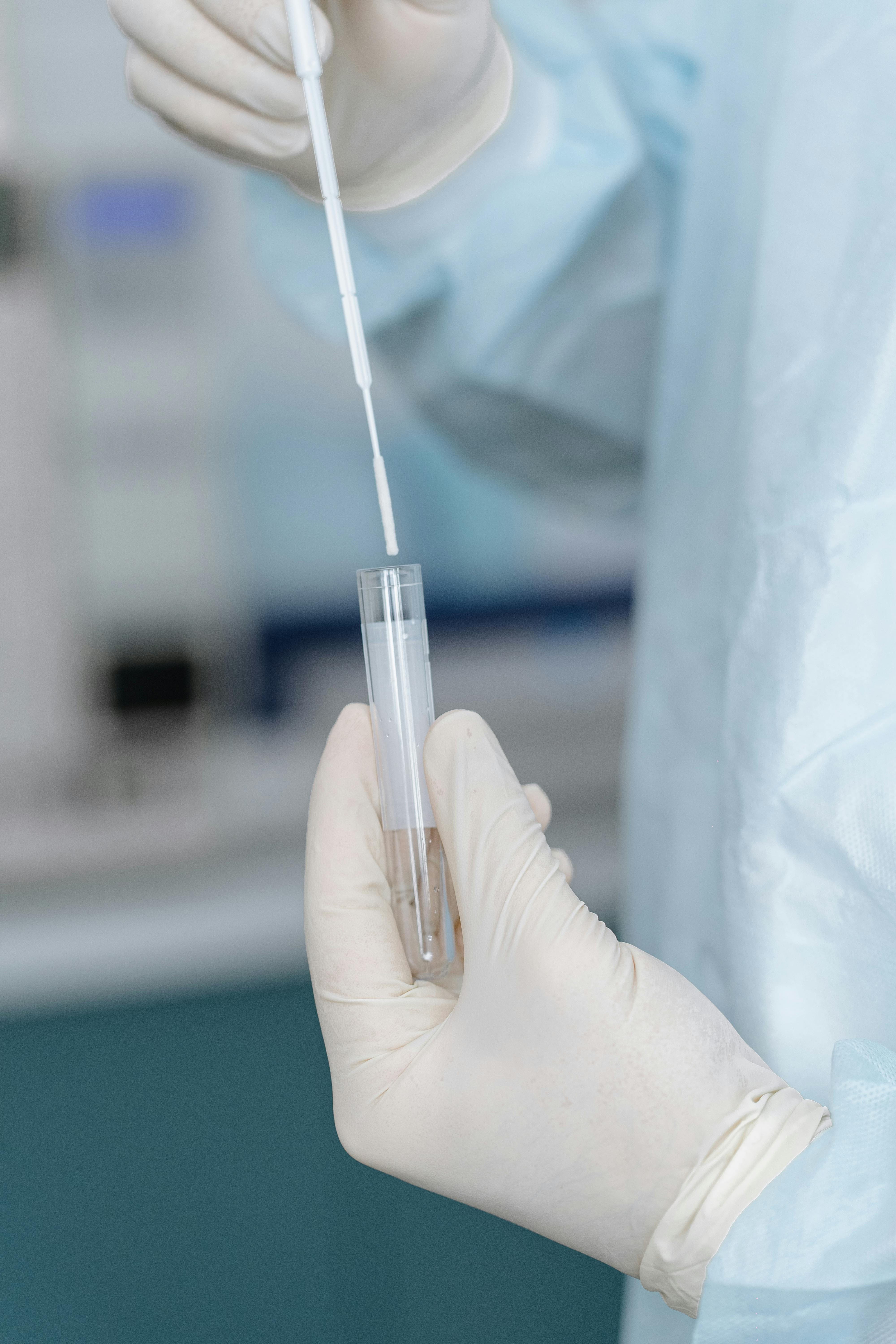
The Phantom was truly that. She never truly existed, at least not as a criminal. Instead the DNA belonged to an elderly Polish worker in the factory making the swabs police used to collect DNA. Somehow, she had contaminated the swabs as she worked. Instead of finding her DNA at dozens of crimes, the investigators had actually brought it with them.
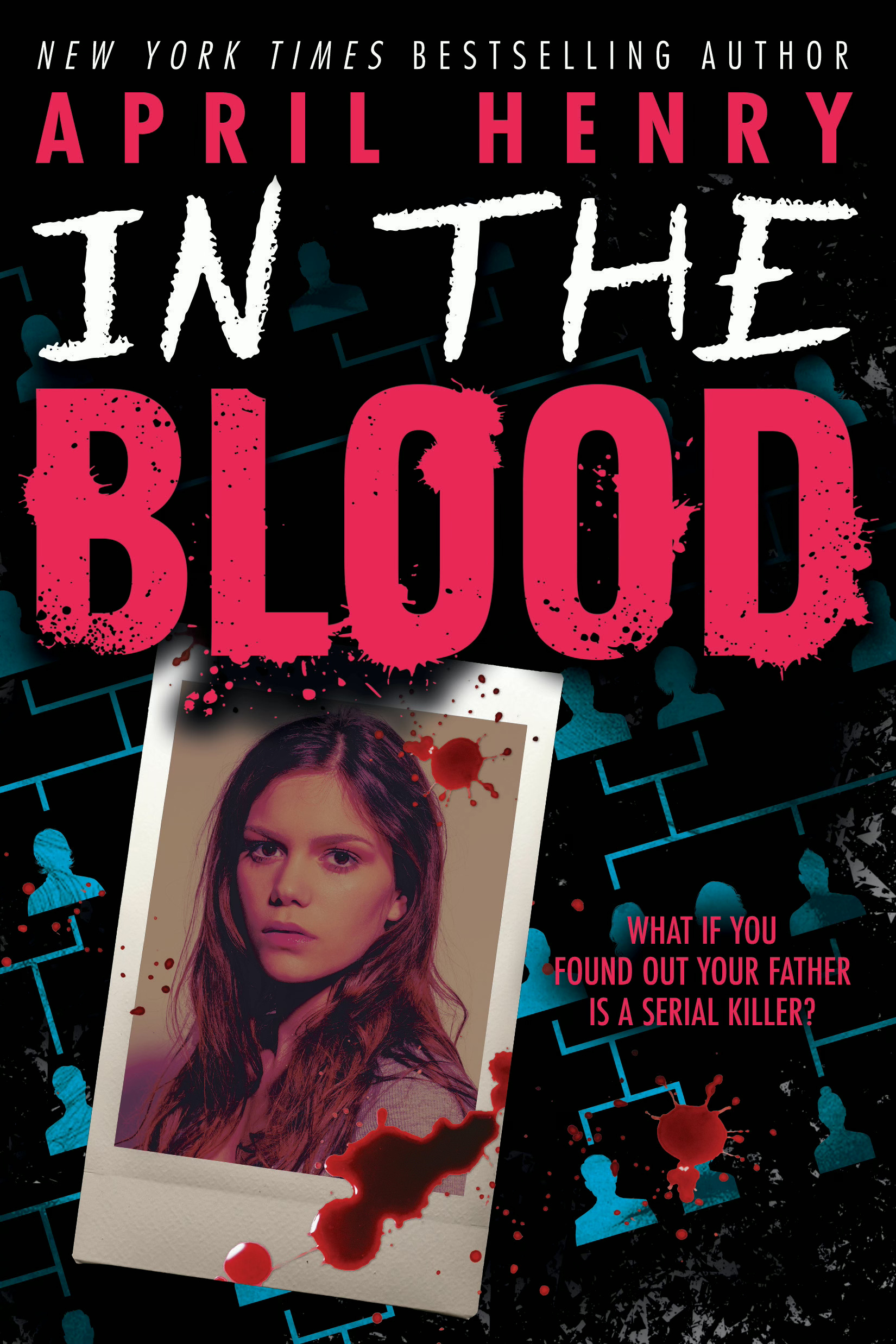
(And while the serial killer in In the Blood is known as the Phantom of Portland, it’s not secretly an homage to this case. I was just looking for a scary P word to go with Portland.)
The man who shed DNA like glitter
If contaminated tools can mislead investigators, sometimes the human body does, too. DNA analysis used to require a sample of blood, spit, or semen the size of a nickel. Now it can be detected from microscopic samples. It’s also possible for these tiny bits of DNA to migrate from one person to another.
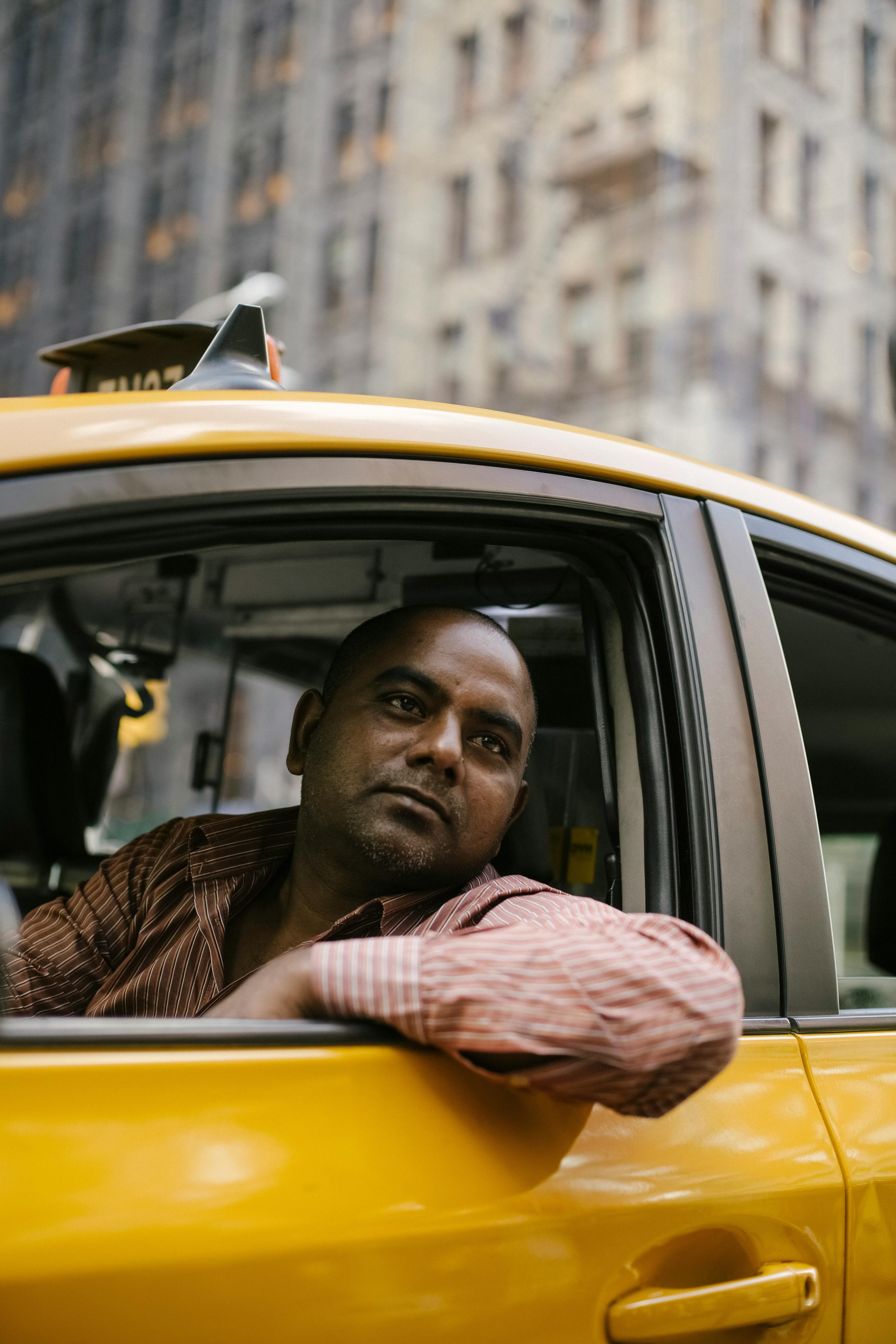
Some people leave a lot of themselves behind. A British cab driver had a skin condition so severe that other cabbies called him “Flaky.” In 2011, DNA found on the fingernails of a woman murdered six years earlier was run through a database. It matched the cab driver’s. He swore he’d never met her. It’s possible he’d given a ride to the actual murderer that day, who then inadvertently brushed against the shed DNA in the cab and later deposited it on the victim. The jury believed this theory was possible, and the cab driver was acquitted.
When your own DNA says you’re the killer
In California in 2012, a man and his wife were tied up and robbed. By the time they were found, the man had died due to the duct tape across his mouth. The thieves turned accidental killers had tried to not leave DNA. They wore rubber gloves, which they left piled in the sink doused in soap. But DNA was still recovered from them, as well as from the victim’s fingernails.
The DNA found on the victim’s nails matched a known robber. He told his attorney he didn’t remember participating in the robbery, but admitted he also had frequent blackouts. A genial homeless man with a long rap sheet for mostly minor offenses, he had a drinking problem and had also previously suffered a brain injury when, drunk, he stepped into the path of a truck.
The cops thought he might plead for leniency once he was convicted, so they pulled his medical records. That’s when they discovered he had been in the hospital at the time the victim died. He had drunk himself unconscious and been picked up by an ambulance. The two men had never been anywhere near each other.
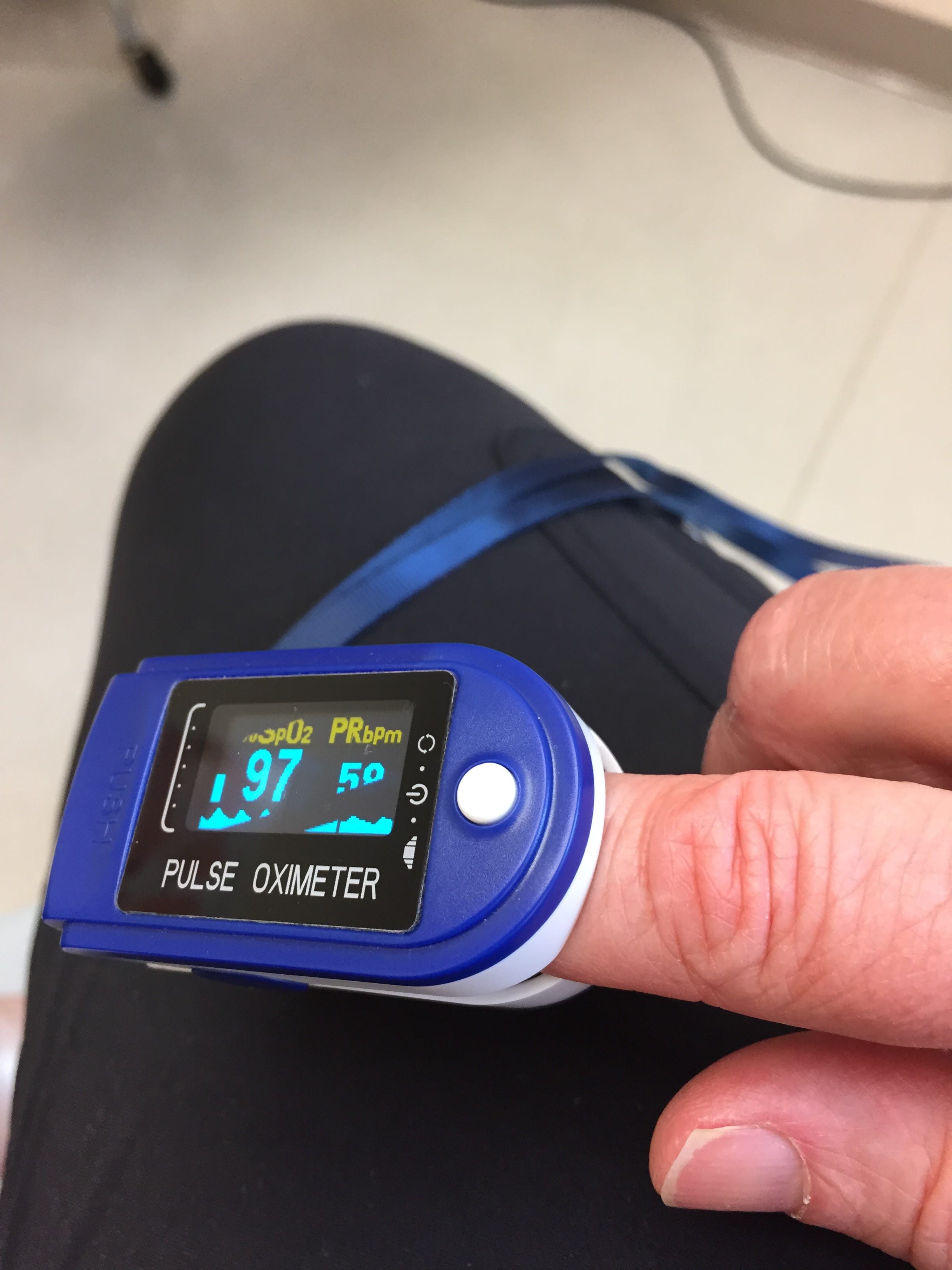
But his DNA truly was on the victim’s fingernails. The same paramedics who brought him to the hospital were the ones who declared the victim dead. To do that, they used a pulse oximeter. The same one they had used on the drunk man earlier.
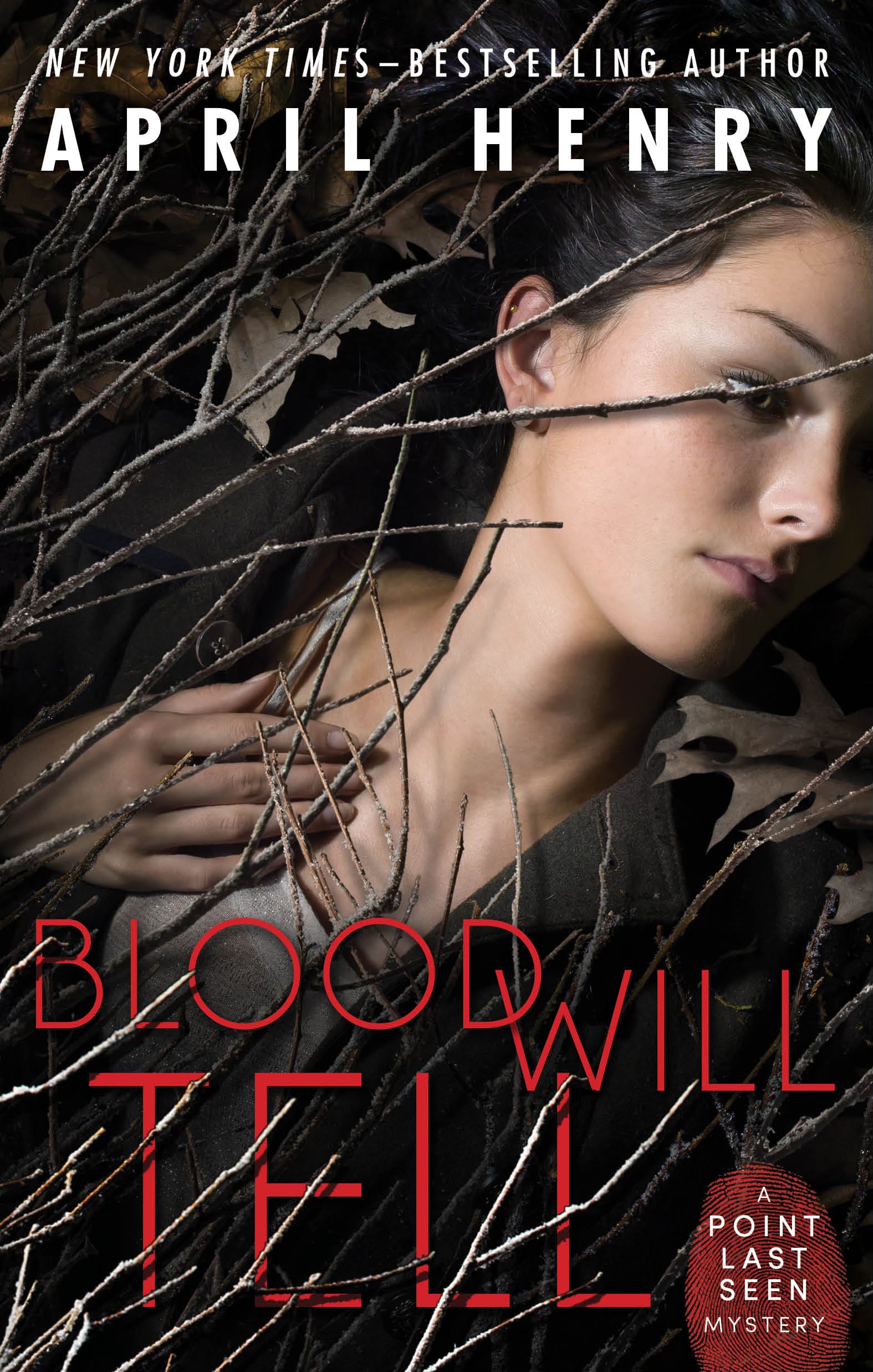
So those little ridges had carried DNA from one man to another. This is known as secondary transfer. A big part of Blood Will Tell was inspired by this case.
When your blood says you’re a woman—but you’re a man
Since your bone marrow makes your blood, if you have a bone marrow transplant, your blood will become your donor’s. I made use of that fact while writing In The Blood.
In a 2008 traffic accident in Seoul, South Korea, the victim’s blood showed that he was female—but his body was male. The man had received a bone marrow transplant from his daughter.
Abnormal female
I’ve taken DNA tests through Ancestry, 23&Me, and My Heritage, buy none of them have ever mentioned that I have more than 46 chromosomes. The companies are focused on genealogy, not missing or additional genetic material

What I have is a small supernumerary chromosome, just a little bit of either a 13 or a 21. Another family member has it, which means one of our parents must have had it too. Since at the time, our parents were both alive and healthy, I was told it was probably meaningless. Still, it’s strange to see your own report labelling you “abnormal.”
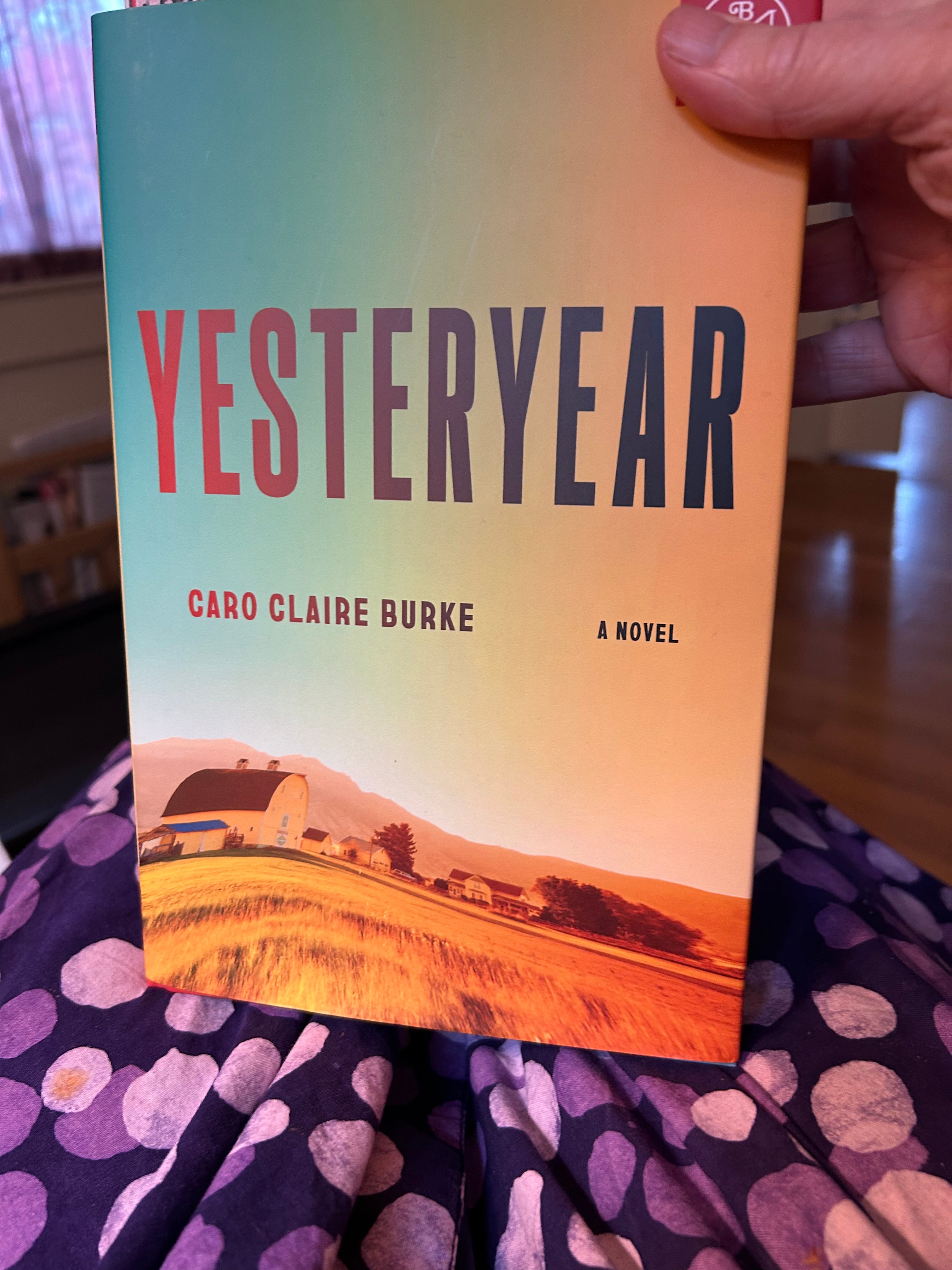
What I’m reading
In the Blood
If you order the hardcover from Annie Blooms before May 12, you’ll get unique, limited presale goodies plus a signed and personalized hardcover:
Get the audiobook:
Apple | Audible | Kobo | Libro.fm | AudioBooks.com | AudioBooksNow.com | AudioBookstore.com | Downpour.com | Google Play
Get the ebook:
Amazon | Apple Books | Barnes & Noble | Google Play | Ebooks.com | Kobo
Get the hardcover:
Amazon | Barnes & Noble | Books-A-Million | Bookshop | Target | Walmart
Get the large print trade paperback:
Amazon | Barnes & Noble | Books-A-Million | Bookshop | Target | Walmart
I've known for a long time that you thoroughly researched 💕for your writing. This is just great information and I really enjoyed reading it. Thank you, Loma. PS if abnormal is what you are let's honor it.